In 1998, the United Nations Environment Programme (UNEP), together with the Stockholm Environment Institute (SEI) drew attention to the possibility of the impacts of transboundary air pollution in South Asia. This initiative led to the adoption of the Malé Declaration on Control and Prevention of Air Pollution and Its Likely Transboundary Effects for South Asia (Malé Declaration). The Malé Declaration’s objective is to aid the process of providing a clean environment through clean air. The Declaration calls for regional cooperation …
“Atmospheric brown clouds (ABCs), observed as widespread layers of brownish haze, are regional scale plumes of air pollutants, consisting of mainly aerosol particles (such as black carbon (BC) and non BC), and precursor gases (e.g. CH4, CO,NMVOCs, NOx), which produce aerosols and ozone in the atmosphere. ABCs and their interaction with build-up of greenhouse gases (GHGs) significantly affect the regional climate, hydrological cycle, glacial melting, agriculture production, and human health.
The United Nations Environment Programme (UNEP) commissioned the Atmospheric …
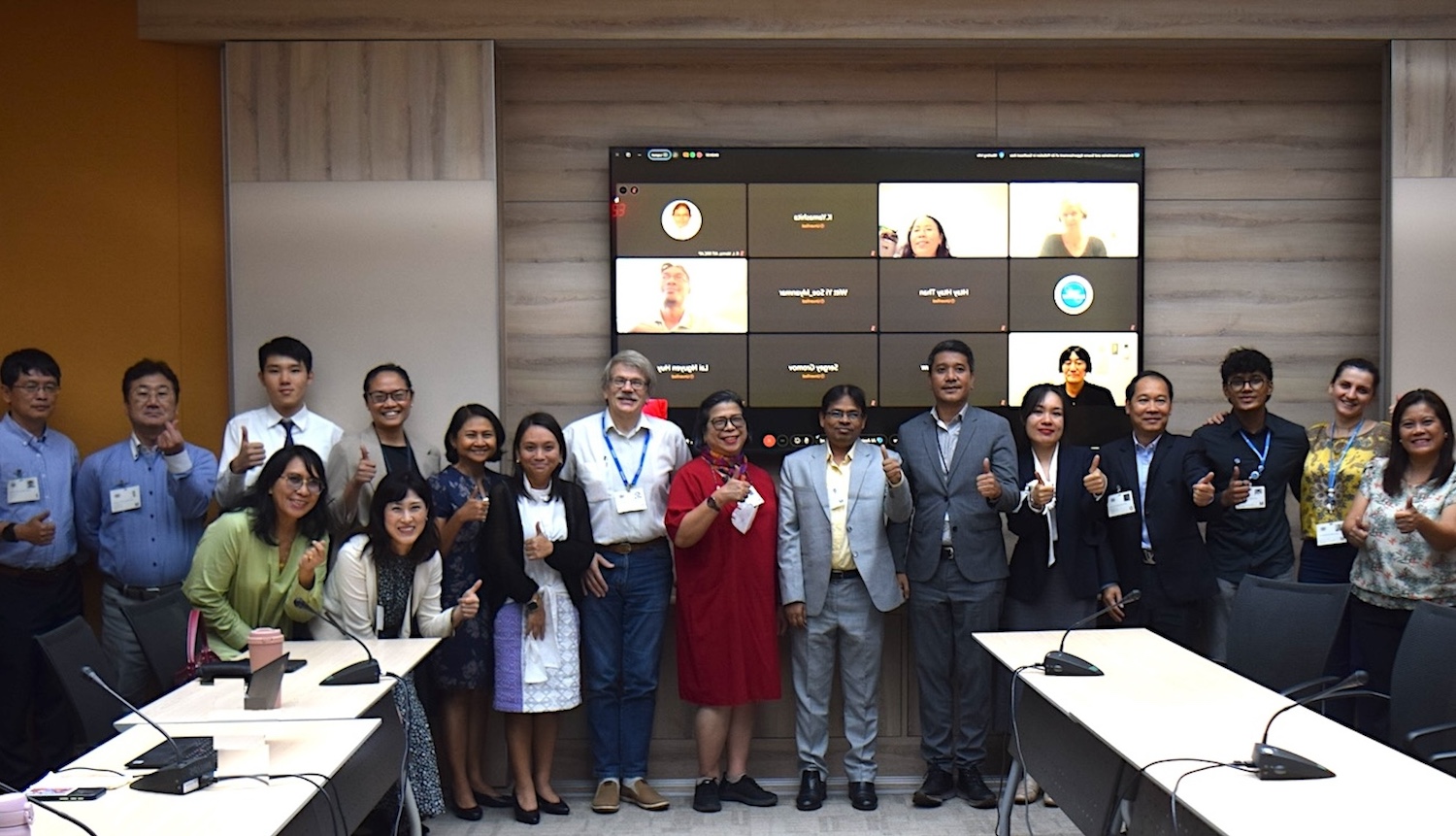
Stocktaking and Methodological Assessment of Emissions Inventories and Source Apportionment of Air Pollution in Southeast Asia
The project was conducted by the Asian Institute of Technology – Regional Resource Centre for Asia and the Pacific (AIT RRC.AP) and the Air Quality Research Group at the Environmental Engineering and Management Program (the Center for Nexus of Air Quality, Health, Ecosystem, and Climate) at AIT, with support from the Secretariat for the Acid Deposition Monitoring Network in East Asia (EANET), under …